Scholar Studio turns the after-school hours into a real learning adventure. On campus, Reception to Year 6, every afternoon of the week.

School ends at 3:30. Work ends at 5:30. For most families those two hours are a scramble: early exits from work, a rotation of pickups, a tired child and a homework fight after dinner. We think they can be the best two hours of the day.
Most families stitch together two or three of these, plus the driving in between. We bring them together at the school your child already attends.
| After-school care | Tutoring centre | Enrichment classes |  Scholar Studio | |
|---|---|---|---|---|
| Supervised until 5:30 | · | · | ||
| On campus, no second pickup | · | · | ||
| Reading, writing and maths at their level | · | · | ||
| Up to five afternoons a week | · | · | ||
| Art, STEM, drama and languages | Some | · | ||
| Outdoor play every afternoon | · | · | ||
| A progress report every term | · | Some | · |
Care keeps children safe. Tutoring keeps them on track. Enrichment keeps them curious. Scholar Studio does all three in the same two hours.

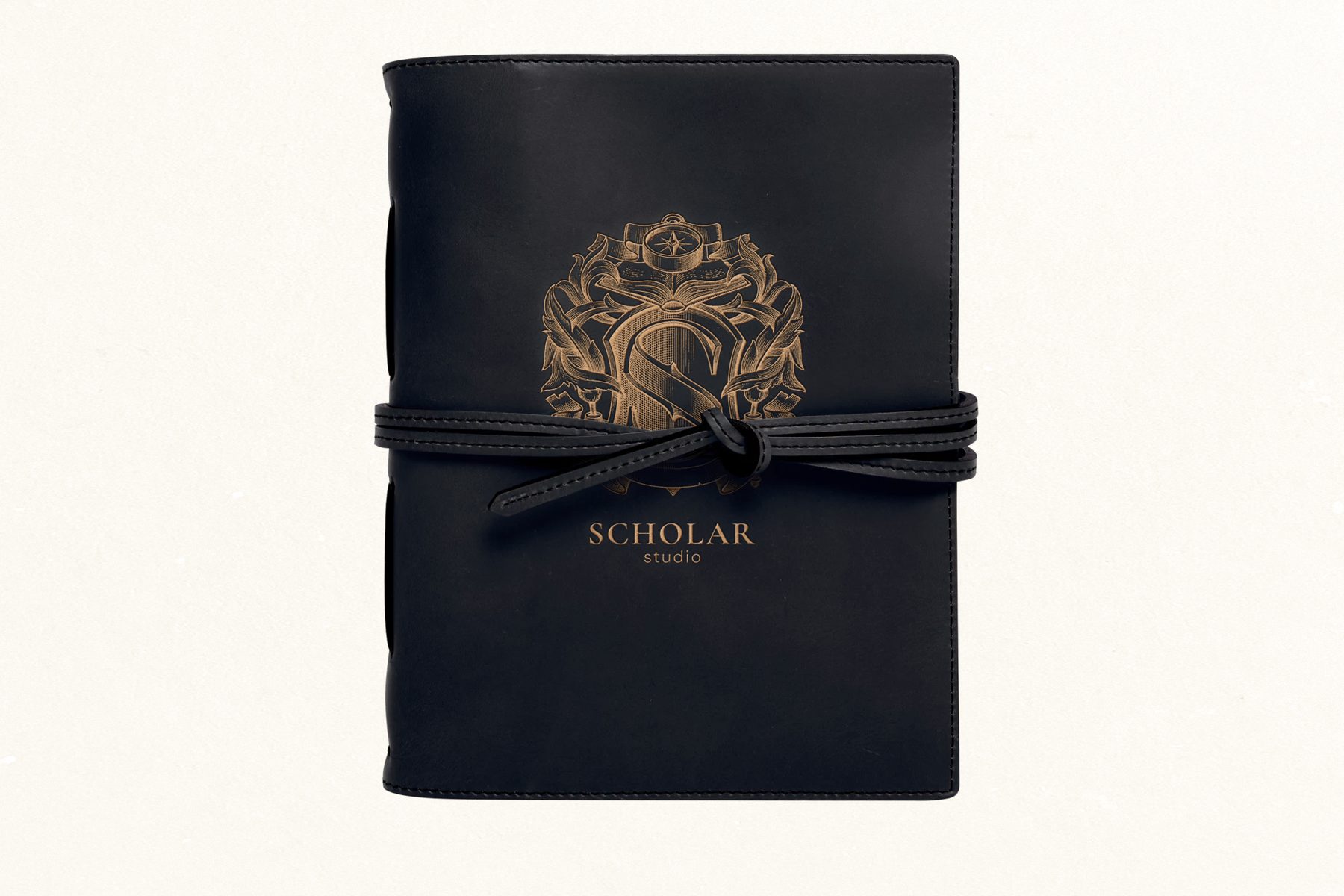
They get a Field Journal, a Society crest and a sealed brief for their first expedition.
The Explorers' Society takes its look from the golden age of discovery: hand-drawn maps, natural history plates, wax seals and specimen cards. It's real history and real science, not fantasy.
A mission with a destination, a map and a finish line. Five stages, the same every time, so children always know where they are on the journey.
A sealed brief from the Society sets the mission.
Expedition Leaders teach the skills the journey needs.
Explorers put those skills to work, island by island.
One final challenge brings it all together.
Explorers write up what they found. The region is marked charted, and the Society seal goes in the journal.

Every session goes in the journal: the brief, the working, the discoveries. It comes home, and it tells you more than a report card ever will.
Mapped to the Australian Curriculum from Reception to Year 6. Explorers work at their own level and move on when they've shown mastery, not when the calendar says so.
Belonging, first reading and number sense, and the habit of the journal.
From sounding out to reading for meaning. Place value, addition and subtraction.
Comprehension, paragraphs that argue, times tables, fractions.
Analysis, persuasive writing, decimals, ratio and the first steps into algebra.
An hour of reading, writing and maths every afternoon. An hour of play, outdoor time and studios they choose.
A snack, the journal and the day's roles.
Reading and writing, set at each child's level.
A proper run-around. It resets the brain for the next block.
Number work and problem-solving, set at each child's level.
Children choose: art, STEM, drama, languages, leadership.
One thing learned, one question, one thing made. Then home.
Specimen Cards are illustrated like museum plates. A child earns one by showing they've mastered a concept.
Bronze compass
Silver astrolabe
Gold sextant
Engraved brass compass
No cards for turning up.
Every term, families receive an Expedition Report: where their child started, where they are now, the Specimen Cards earned and a note from their Expedition Leader on how they're growing as a learner.

Scholar Studio runs inside your existing after-school care. You keep the venue and the licence. We bring the program, the trained Expedition Leaders and the materials.
Your child is on campus, busy and happy until 5:30.
"I charted…", "I found out…", "I made…"
A journal and a card collection that show exactly what they've mastered.
That's the whole point of the Society. They stay with friends they already know, half the afternoon is play, outdoor time and studios they choose, and there's always a new expedition, card or rank to work towards.
No. The learning is real, but it's carried by the adventure, not by worksheets. Children move, make, choose and talk. It feels like a club, and that's why it works.
Many families will find they don't. Reading, writing and maths happen at each child's level, up to five afternoons a week, on campus, with progress reported every term.
Trained Expedition Leaders, each with a Working with Children Check and first aid, working with small groups. They're supported by our Program Director and Educational Leader.
Families choose the afternoons that suit them. Expeditions are designed so children get the most from three or more a week.
Fees are set with each partner school. We'll confirm them, along with any Child Care Subsidy eligibility, before enrolments open.
With founding partner schools from 2027. Register your interest and we'll let you know when the Society reaches your school.
Scholar Studio was founded by Luke Lombe, an Adelaide entrepreneur who has built businesses across four continents, including nearly a decade in China. He started The Foundry, an entrepreneurship program for South Australian secondary students. He is the father of two daughters.
Day-to-day delivery is led by a Program Director and an Educational Leader experienced in school-age care. We are appointing both for 2027.